Uncategorized
DMT vs Other Drugs: Key Differences Explained
Feb
Difference Between DMT and Other Drugs
Understanding the difference between DMT and other drugs is important for anyone researching psychoactive substances from an educational or informational perspective. While many drugs affect mood, energy, or perception, DMT stands apart due to its unique intensity, duration, and effects on consciousness.
This article explains how DMT is different from other drugs, including psychedelics, stimulants, depressants, and opioids, while also covering effects, risks, and legal considerations.
What Is DMT?
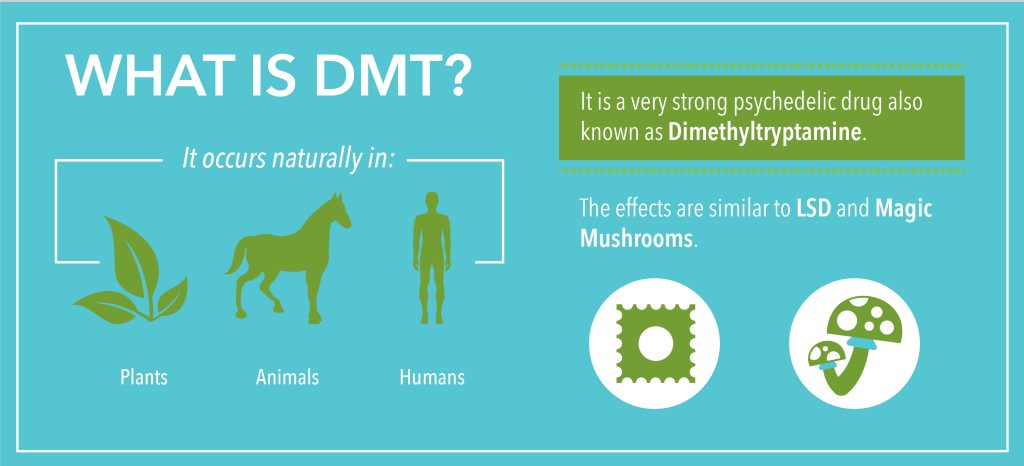
DMT (N,N-Dimethyltryptamine) is a psychedelic drug that belongs to the tryptamine class of compounds. Tryptamines are chemically related to serotonin, a neurotransmitter that plays a key role in mood, perception, and cognition.
DMT occurs naturally in certain plants and animals and has been used historically in traditional spiritual practices. In modern contexts, DMT is most often discussed for its extreme psychoactive effects and its distinct differences from other drugs.
How DMT Differs From Other Drugs
The primary difference between DMT and other drugs lies in how rapidly and intensely it alters perception and consciousness. Unlike many substances that gradually affect the brain, DMT produces a powerful and immersive mental experience in a very short time.
Key factors that make DMT different from other drugs include:
-
Extremely intense effects
-
Short duration compared to most psychedelics
-
Profound alterations in perception and awareness
-
Minimal physical effects compared to stimulants or depressants
-
DMT vs Other Psychedelics
When comparing DMT vs other drugs in the psychedelic category, several major differences stand out.
Duration
-
DMT experiences are typically very short
-
Other psychedelics often last several hours
Intensity
-
DMT is widely considered more intense than many other psychedelics
-
Other psychedelics tend to produce gradual, longer-lasting effects
Experience
-
DMT often causes complete immersion in internal visuals and altered states
-
Other psychedelics usually enhance perception rather than fully replacing it
This is one of the clearest examples of how DMT is different from other drugs.
-
DMT vs Stimulants
Stimulants primarily affect energy, alertness, and physical activity.
DMT compared to stimulants:
-
DMT alters perception and consciousness
-
Stimulants increase focus, energy, and wakefulness
Unlike stimulants, DMT does not promote productivity or physical stimulation. Instead, it produces a deeply inward and psychological experience.
DMT vs Depressants
Depressants slow down brain activity and nervous system function.
DMT vs depressant drugs:
-
DMT intensifies awareness and sensory perception
-
Depressants reduce anxiety, coordination, and alertness
This contrast highlights another major difference between DMT and other drugs, especially substances like alcohol or sedatives.
DMT vs Opioids
Opioids are mainly associated with pain relief and physical dependence.
DMT compared to opioids:
-
DMT does not provide pain relief
-
Opioids carry a high risk of physical dependence and withdrawal
DMT is not considered physically addictive in the same way opioids are, but that does not eliminate psychological or emotional risks.
Difference Between DMT and Other Drugs (Comparison Table)
| Feature | DMT | Other Psychedelics | Stimulants | Depressants | Opioids |
|---|---|---|---|---|---|
| Drug Class | Psychedelic (tryptamine) | Psychedelic | Stimulant | Depressant | Opioid |
| Primary Effect | Alters consciousness and perception | Alters perception and mood | Increases energy and alertness | Slows brain activity | Relieves pain, produces euphoria |
| Intensity | Extremely intense | Moderate to high | Moderate | Low to moderate | Moderate to high |
| Duration | Very short-acting | Long-lasting | Medium-lasting | Medium-lasting | Medium to long-lasting |
| Onset Speed | Very rapid | Gradual | Gradual to rapid | Gradual | Gradual |
| Physical Stimulation | Minimal | Minimal | High | Low | Low |
| Sedation | None | None | None | Yes | Yes |
| Pain Relief | No | No | No | No | Yes |
| Physical Addiction Risk | Low | Low | Moderate | Moderate | High |
| Psychological Risk | High for some individuals | Moderate | Moderate | Moderate | High |
| Medical Use | Research only | Limited research | Some approved uses | Approved uses | Approved uses |
| Legal Status (Canada & U.S.) | Illegal / Controlled | Mostly illegal | Varies | Varies | Highly regulated |
Addiction and Dependence Differences
When discussing this vs other drugs, addiction is a common concern.
-
DMT is not considered physically addictive
-
Many other drugs can cause physical dependence
However, DMT can still cause anxiety, confusion, or psychological distress, especially for vulnerable individuals.
Duration and Intensity Compared to Other Drugs
A defining factor in the difference between DMT and other drugs is duration.
-
DMT: Short-acting, extremely intense
-
Other drugs: Longer-lasting, less abrupt
Buy DMT Carts Australia,Buy DMT Vape Pen, DMT Vape pens for sale,Buy DMT Vape pens in Australia,Buy dmt vape carts in Canada,DMT vape pen for sale Australia,Buy dmt vape pen and cartridges online,where to buy dmt cartridge online oregon,buy dmt Los Angeles,buy dmt in Michigan,dmt vape pen instagram UK,Dmt Powder For Sale In Europe,Buy DMT Online UK,Where to order DMT Vape Carts Scotland,Purchase Dmt Crystal Northern Ireland , Wales dmt carts online for sale,dmt for sale in USA,dmt for sale in the UK,Buy Dmt in UK,Buy DMT – Dmt Powder For Sale In UK,Buy DMT Vape United Kingdom, UK, Scotland, England, Wales, Ireland,Buy dmt online. BUY DMT CARTS AND DMT ONLINE,BUY DMT VAPE PENS – DMT CARTS FOR SALE, Where To Buy DMT Canada/British Columbia/Manitoba,dmt carts online for sale,buy dmt vape pens, buy dmt vape pens dmt carts for sale,BUY DMT ONLINE IN THE USA,Buy dmt in colorado,Buy DMT Vape Pen for sale in Denver Colorado, dmt vape pen for sale dmt vape pen nearby,Buy DMT Carts Australia New South Wales,Buy DMT Online in Toronto Canada Today,Buy DMT Cartridges Online in Canada,buy DMT vape Cartridge in Australia,Buy dmt Online overnight delivery,Buy 5-MeO-DMT online,5-MeO-DMT dmt for sale,5-MeO-DMT carts online,buy 5 meo dmt carts online,Buy DMT Online in Canada,5-meo dmt carts for sale,dmt vape pens dmt carts for sale online,Dmt vape carts for sale online in usa,buy dmt carts online,5 MEO DMT Australia- Buy DMT Online,DMT Vape Pen for sale,dmt vape pens dmt cart,Buy DMT Carts Australia,Buy DMT Vape Pen,DMT Vape pens for sale,Buy DMT Vape pens in Australia, Buy dmt vape carts in Canada,DMT vape pen for sale Australia,Buy dmt vape pen and cartridges online,where to buy dmt cartridge online oregon,buy dmt Los Angeles,buy dmt in Michigan,dmt vape pen instagram UK,Dmt Powder For Sale In Europe,Buy DMT Online UK,Where to order DMT Vape Carts Scotland
,Purchase Dmt Crystal Northern Ireland , Wales dmt carts online for sale, dmt for sale in USA,dmt for sale in the UK, Buy Dmt in UK,Buy DMT, Dmt Powder For Sale In UK,Buy DMT Vape United Kingdom, UK, Scotland, England, Wales, Ireland ,Buy dmt online in #Saudi Arabia #Riyadh #Jeddah #Dammam #Medina #Mecca, BUY DMT CARTS AND DMT ONLINE
BUY DMT VAPE PENS,DMT CARTS FOR SALE,Where To Buy DMT Canada/British Columbia/Manitoba, dmt carts online for sale,buy dmt vape pens
,buy dmt vape pens dmt carts for sale, BUY DMT ONLINE IN THE USA, & CANADA, Buy dmt in colorado, Buy DMT Vape Pen for sale in Denver Colorado,dmt vape pen for sale dmt vape pen nearby, Buy DMT Carts Australia New South Wales, Buy DMT Online in Toronto Canada Today, Buy DMT Cartridges Online in Canada, buy DMT vape Cartridge in Australia,Buy dmt Online overnight delivery,Buy 5-MeO-DMT online,5-MeO-DMT dmt for sale,5-MeO-DMT carts online,buy 5 meo dmt carts online
