Uncategorized
Natural Psychedelics vs. Synthetic: What’s the Difference?
Feb
Natural Psychedelics vs. Synthetic
Natural Psychedelics vs. Synthetic: Imagine stepping barefoot into a misty Amazon dawn. The air hums with unseen life. A shaman hands you a cup of thick, earthy ayahuasca brew that tastes like the jungle itself—bitter roots, swirling vines, the breath of ancient trees. Within minutes the world dissolves into geometry, ancestors speak, and your soul remembers it was never separate from everything.
Now imagine the opposite: a tiny square of blotter paper placed under your tongue in a quiet apartment. No ceremony, no forest, no taste. Thirty minutes later the same geometry arrives—but sharper, cleaner, almost surgical. Same destination. Totally different journey.
This is the heart of the conversation happening right now in psychedelic circles, therapy rooms, and research labs around the world: natural psychedelics vs. synthetic. One feels like a conversation with the Earth. The other feels like a conversation with a molecule.
Today we’re diving deep—so you can decide which path calls to you.
A Quick Story That Changes Everything
In 1955, banker-turned-ethnomycologist R. Gordon Wasson traveled to Oaxaca, Mexico, and participated in a Mazatec mushroom ceremony led by the legendary curandera María Sabina. He ate Psilocybe mushrooms under her guidance and later wrote the famous Life magazine article “Seeking the Magic Mushroom.” That single story introduced millions of Westerners to natural psilocybin and sparked the entire 1960s psychedelic movement.
Fast-forward to 2006. The first modern clinical trial using synthetic psilocybin (the isolated molecule, not the mushroom) took place at Johns Hopkins. Participants described profound mystical experiences… but many later said the trips felt “cleaner,” “less emotional,” and somehow “less alive” than their previous experiences with whole dried mushrooms.
One participant put it perfectly:
“The synthetic was like watching a movie in 4K on a perfect screen. The mushrooms felt like being inside the movie—wind on my face, dirt under my nails, the whole living world breathing with me.”
That single quote captures the difference better than any scientific paper.
What Are We Actually Talking About Natural Psychedelics vs. Synthetic?
Natural psychedelics come straight from living organisms—plants, fungi, even animals in rare cases. They contain the active compound plus dozens or hundreds of companion molecules (alkaloids, terpenes, flavonoids, beta-carbolines, etc.). This is the famous entourage effect.
Examples you can actually source responsibly today:
- Psilocybin mushrooms (Golden Teacher, B+, Penis Envy, etc.)
- Ayahuasca (DMT + MAO-inhibiting vines)
- Peyote & San Pedro (mescaline-containing cacti)
- Iboga root bark (ibogaine)
- 5-MeO-DMT from the Sonoran Desert toad (in traditional contexts)
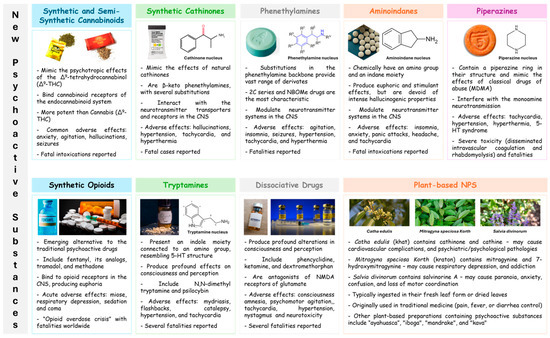
Synthetic psychedelics are created in a lab. The molecule is identical to the natural one, but it arrives alone—no entourage, no plant spirit, no variability.
Classic examples:
- LSD (lysergic acid diethylamide—technically semi-synthetic from ergot fungus but heavily processed)
- MDMA (ecstasy/Molly)
- Synthetic DMT or 5-MeO-DMT crystals
- 2C-B, 4-ACO-DMT, etc.
Side-by-Side Comparison (The List Everyone Wants)
| Aspect | Natural Psychedelics | Synthetic Psychedelics |
|---|---|---|
| Source | Grown or wild-harvested plants/fungi | Lab-synthesized |
| Chemical Profile | Complex matrix + entourage compounds | Single isolated molecule |
| Onset & Feel | Often slower, warmer, more “organic” | Faster, sharper, sometimes more “electric” |
| Dosing Consistency | Variable (mushroom potency can vary 2–3x) | Extremely precise |
| Reported “Aliveness” | Users say “more vibrant, emotional, connected” | Users say “cleaner, clearer, analytical” |
| Duration | Often longer and more body-heavy | Often shorter and more heady |
| Traditional Use | Thousands of years in ceremony | Mostly modern / recreational / clinical |
| Environmental Cost | Depends on sustainable sourcing | High (chemical solvents, energy) |
| Therapeutic Nuance | May work better for trauma & spiritual work | May work better for precise microdosing trials |
How They Actually Work in the Brain
Both activate the 5-HT2A serotonin receptor—the “master switch” of the default mode network. That’s why the visuals and ego-dissolution feel similar.
But natural sources often contain:
- Beta-carbolines (in ayahuasca) that change the metabolism
- Other tryptamines and phenethylamines (in mushrooms) that modulate the experience
- Trace minerals and polysaccharides that affect gut-brain axis
This is why people say natural trips feel more “embodied” and synthetic ones more “cerebral.”
Recent patient surveys (2024) found that people who tried both whole mushrooms and synthetic psilocybin overwhelmingly preferred the mushrooms—describing them as “more alive and vibrant.”
Why Does Any of This Matter in 2026?
Because millions of people are turning to psychedelics for depression, PTSD, addiction, end-of-life anxiety, and plain old existential dread.
- If you want ceremony, tradition, and a felt sense of connection to nature → natural is often the better fit.
- If you want ultra-precise dosing in a clinical trial or microdosing protocol → synthetic can be safer and more reproducible.
There is no universal “better.” There is only what is true for you.
FAQ – Real Questions We Get Every Week
Q: Is synthetic safer? A: In controlled clinical settings, yes—because dosing is exact. In the wild black market, synthetics are more likely to be cut or mislabeled. Natural materials are harder to adulterate but potency varies.
Q: Can I get the same therapeutic benefit from synthetic? A: Absolutely. Johns Hopkins, Imperial College, and MAPS trials all used synthetic compounds and produced stunning results. But anecdotal reports keep suggesting the entourage effect adds something extra—especially for complex trauma.
Q: Are natural psychedelics legal anywhere? A: In a growing number of places: Oregon, Colorado, parts of Canada, Jamaica, Netherlands (truffles), Brazil (ayahuasca churches), etc. Always check local laws.
Q: What about sustainability? A: Wild peyote is endangered. Over-harvesting iboga is devastating African ecosystems. Lab synthesis can actually be greener if done responsibly. Know your source.
So… Which One Is Calling You?
Here’s the question I want you to sit with right now:
If you could choose only one path for your next deep journey—a living plant teacher grown in soil under the sun, or a flawless molecule born in a beaker—which one feels more right in your body?
There is no wrong answer. Only your answer.
At Psychedelics Home Dispensary, we believe both have their place. That’s why we offer lab-tested natural mushrooms, potent ayahuasca analogues, high-purity synthetic options, and everything in between—always with education, harm reduction, and respect first.
Whatever path you choose, may it be safe, meaningful, and exactly what your soul needs right now.
Drop a comment: Have you experienced both natural and synthetic? Which one surprised you more—and why?
We read every single one.
With love & respect, The Psychedelics Home Dispensary Team
