Uncategorized
The Potential Health Benefits of Psychedelic Mushrooms: A Science-Based Overview
Feb
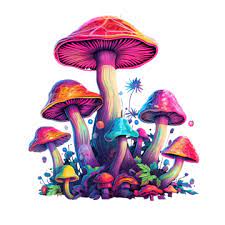
psychedelic mushroom art
psychedelic mushroom art. These mushrooms (containing psilocybin) are the subject of a major therapeutic renaissance. In controlled clinical settings, they are being investigated not for recreational “benefits,” but as powerful catalysts for psychotherapy in serious, treatment-resistant mental health conditions. It’s crucial to understand these are potential, medically-supervised benefits, not effects from casual use.
Here’s a breakdown of the key areas where significant therapeutic potential has been demonstrated by modern research:
1. For Treatment-Resistant Depression (TRD)
This is the most prominent area of research. Multiple landmark studies have shown that a single or a few doses of psilocybin, administered with professional preparation and supportive therapy, can produce rapid and substantial reductions in depressive symptoms.
-
How it may work: Psilocybin appears to temporarily “reset” brain network activity, particularly decreasing hyper-connectivity in the Default Mode Network (DMN), which is often associated with rigid, negative self-focus and rumination. This can create a window of neuroplasticity—allowing for new thought patterns and perspectives to form during therapy.
-
The Result: Many participants report profound, meaningful experiences that lead to lasting improvements in mood, emotional responsiveness, and sense of connection. Effects can last for months from just one or two sessions.
2. For End-of-Life Psychological Distress
Psilocybin therapy has received “Breakthrough Therapy” designation from the U.S. FDA for treating anxiety and depression in patients with terminal illnesses (like cancer).
-
The Benefit: It can help individuals process existential fear, reduce their dread of death, and increase their sense of peace, meaning, and connection. This improves overall quality of life during their final months.
Crucial Context and Important Distinctions
-
It’s Not the Mushroom Alone; It’s Therapy. The documented benefits occur within the context of psilocybin-assisted psychotherapy. This involves:
-
Preparation: Multiple therapy sessions to establish trust and intention.
-
Dosing Session: The medicine is taken in a controlled, calming environment with trained therapists guiding the experience.
-
Integration: Essential follow-up therapy to process insights and apply them to daily life. The drug is a catalyst; the therapy does the work.
-
-
The “Mystical Experience” is Key. Research consistently finds that the depth of a meaningful, mystical-type experience during the session is the strongest predictor of long-term positive outcomes. This points toward benefits being deeply psychological and spiritual in nature.
-
These Are Not “Everyday” Health Benefits. This is not about microdosing for productivity (which lacks robust scientific support). These are profound interventions for severe, debilitating conditions.
-
Significant Risks Exist. Potential harms include:
-
Psychological Distress: “Bad trips” with intense anxiety/paranoia.
-
Contraindications: High risk for individuals with a personal or family history of psychosis (e.g., schizophrenia).
-
Medical Risks: Can increase heart rate and blood pressure; dangerous interactions with some medications (like SSRIs).
-
psychedelic mushroom art, psychedelic mushroom chocolate bars near me, psychedelic mushroom chocolate bars, psychedelic mushroom gummies, psychedelic mushroom spores, is reishi mushroom psychedelic, is lion’s mane mushroom psychedelic, is chaga mushroom psychedelic, is turkey tail mushroom psychedelic, magic mushroom chocolate, how to make magic mushroom tea, magic mushroom vape, magic mushroom chocolate bars, magic mushroom chocolate bar, how to make magic mushroom chocolate, psilocybin mushroom grow bags, how to make psilocybin mushroom tea
