
Uncategorized
Ketamine: Uses, Effects, Risks, and Medical Context
Jan
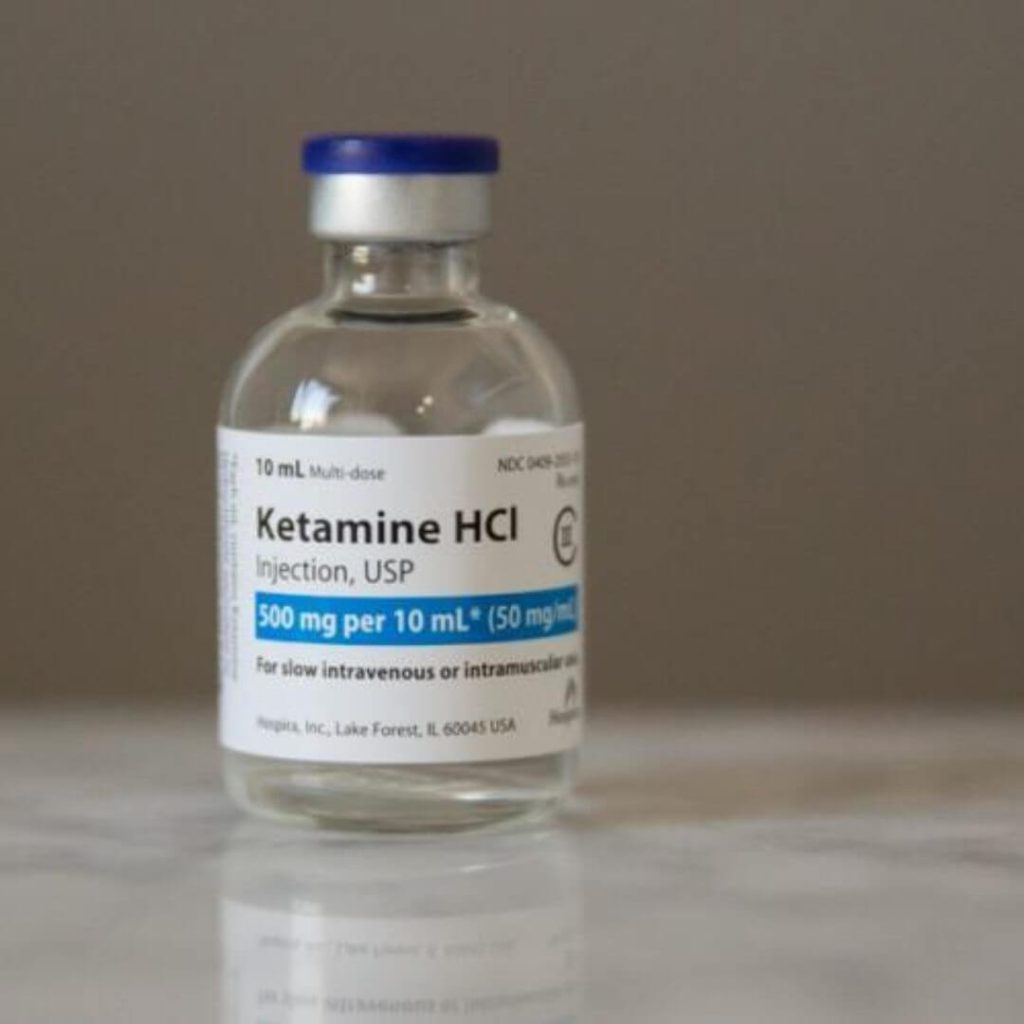
Ketamine for depression is a medication with a long history in clinical medicine and growing attention in mental health research. Originally developed as an anesthetic, ketamine is now used in carefully controlled medical settings for anesthesia, pain management, and—more recently—treatment-resistant depression. Due to its psychoactive effects and misuse potential, ketamine is a controlled substance and should only be used under licensed medical supervision.
What Is ketamine for depression?
Ketamine is a dissociative anesthetic that works primarily by blocking NMDA receptors in the brain, which affects perception, pain signaling, and consciousness. It has been used safely in hospitals for decades, particularly in emergency medicine and surgery.
Key characteristics:
-
Rapid onset of action
-
Short duration in clinical settings
-
Alters sensory perception and awareness
-
Requires professional monitoring
Medical Uses of Ketamine
In regulated healthcare environments, ketamine may be prescribed or administered for:
-
General anesthesia
-
Procedural sedation
-
Acute and chronic pain management
-
Treatment-resistant depression (TRD)
-
Certain anxiety or mood disorders (under strict protocols)
A related medication, esketamine, is FDA-approved in nasal spray form for treatment-resistant depression and must be administered in certified clinics.
ketamine treatment, ketamine for depression, ketamine therapy, IV ketamine, ketamine infusion, treatment resistant depression, severe anxiety treatment, PTSD treatment, ketamine for chronic pain, bipolar depression treatment, how does ketamine work, ketamine side effects, is ketamine safe, ketamine cost, ketamine clinic near me, benefits of ketamine therapy, esketamine, Spravato, ketamine assisted psychotherapy, mental health breakthrough, rapid acting antidepressant,ketamine medical use, what is ketamine
