
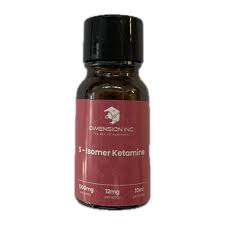

Isomer Ketamine
The term “isomer ketamine” refers to the specific molecular structures of the drug ketamine. While ketamine has gained attention as a promising treatment for severe depression, it is also a substance with a high potential for misuse and significant risks. This guide provides a factual, science-based overview of ketamine isomers, focusing on their legitimate medical applications and critical safety information.
What Are Isomer Ketamine?
Ketamine exists as a racemic mixture (a 50/50 blend of R- and S-isomers) or as isolated individual isomers. Each form interacts with NMDA receptors and other neural systems in slightly different ways.
S-Ketamine (Esketamine)
-
FDA-approved for treatment-resistant depression in controlled clinical settings
-
Often associated with stronger anesthetic effects
-
Typically more potent at certain receptor sites
R-Ketamine (Arketamine)
-
Currently being researched for potential antidepressant properties
-
May have longer-lasting mood effects in early studies
-
Not approved as a standalone medication
Because both forms influence the central nervous system, they must be studied and administered by qualified professionals only.
How Isomer Ketamine Works
Both isomers affect:
-
NMDA receptors, contributing to anesthetic and dissociative effects
-
AMPA signaling, which may play a role in mood improvement
-
Glutamate pathways, influencing neuroplasticity
The exact mechanisms are still being researched, especially in relation to mental-health applications
Be the first to review “R – Isomer Ketamine – Flavoured Nasal Spray – by “Dimensions Inc””
Related products
Anxiety Treatment

Anxiety Treatment
Anxiety Treatment
Anxiety Treatment
Anxiety Treatment

Anxiety Treatment
Anxiety Treatment

Anxiety Treatment
Reviews
There are no reviews yet.