Cuban Cubensis Mushrooms
Price range: $35.00 through $170.99
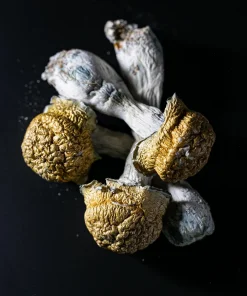
The Cuban Cubensis Magic Mushroom is one of the oldest and most culturally significant psilocybin mushroom strains ever identified. Originating from Cuba, this strain has a strong historical connection to traditional use in spiritual and cultural settings throughout the Caribbean. It is recognized for its vibrant golden caps, thick stems, and balanced experience that appeals to both beginners and experienced psychonauts.
Cuban Cubensis Mushrooms, History, Effects, Potency & Harm-Reduction Guide
Cuban Cubensis mushrooms, often called Cuban shrooms or Cuban cubensis, are a well-known variety of Psilocybe cubensis, one of the most widely studied psychedelic mushroom species. Originating historically from regions of the Caribbean—most famously Cuba—this strain is recognized for its fast-growing behavior, classic golden caps, and moderate potency.
This guide provides educational information only, including effects, risks, legality, and harm-reduction principles for regions where psilocybin has been decriminalized or used in scientific research.
What Are they?
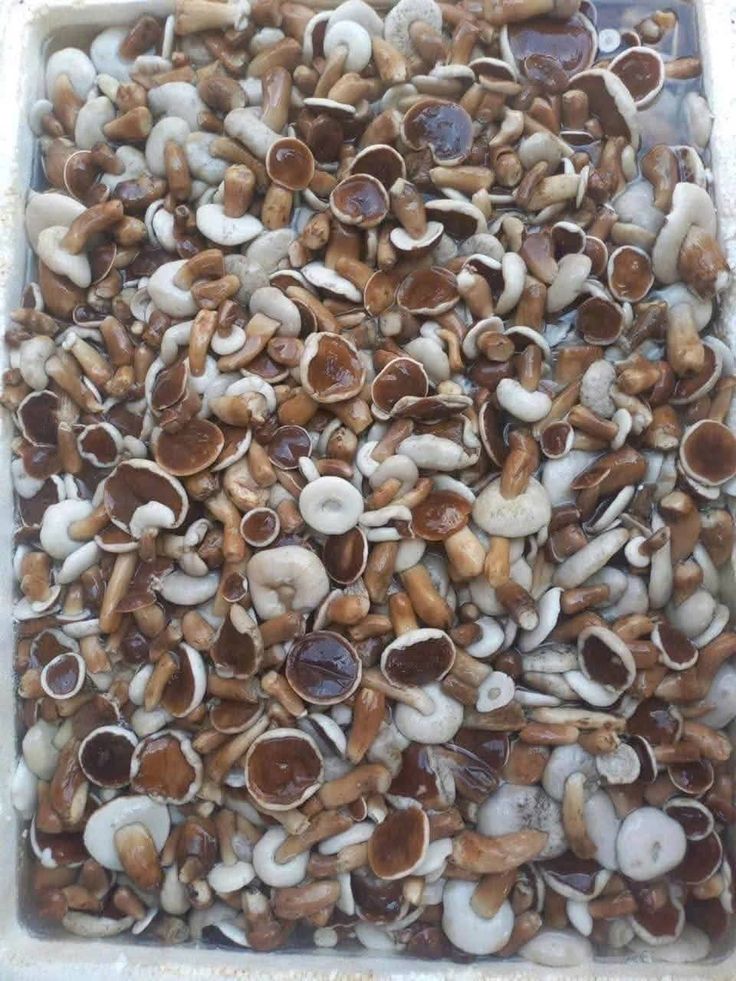
Cuban Cubensis mushrooms belong to the Psilocybe cubensis family, a species known for producing the psychoactive compounds psilocybin and psilocin. Cuban varieties are often characterized by:
- Medium-sized golden caps
- Thick stems
- Dense spore production
- Dense spore production
- Stable growth in controlled mycology settings
- A clean, classic cubensis appearance
Compared to other cubensis types, Cuban strains are frequently reported as moderately potent, making them a subject of interest in mycology discussions.
Common Effects Potential Positive or Neutral Effects
- Visual enhancement
- Increased mindfulness and introspective thought
- Euphoria or mood elevation
- Creative or philosophical thinking
- Potential Negative Effects
- Anxiety
Because experience varies significantly, set (mindset) and setting (environment) play a major role in outcomes.
| Quantity | 7grams, 14grams, 28grams |
|---|
Be the first to review “Cuban Cubensis Mushrooms”
Related products
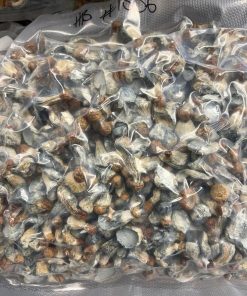
Dried Shrooms
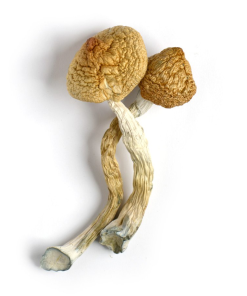
Dried Shrooms
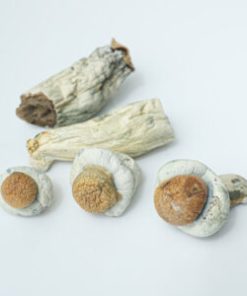
Dried Shrooms
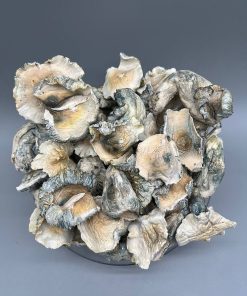
Dried Shrooms
Dried Shrooms
Dried Shrooms
Dried Shrooms
Dried Shrooms
Reviews
There are no reviews yet.