Uncategorized
🍫 One Up Chocolate Bars: What They Are, Why They’re Trending & What Consumers Should Know
Nov
One up chocolate bars
One Up Chocolate Bars have become a major talking point online, especially in conversations surrounding novelty chocolates, artistic packaging, and the growing market of infused or alternative confectionery products. Because the name “One Up” is used by numerous unofficial brands and sellers, it’s important for consumers to understand what these bars are, why they’re popular, and the safety considerations that come with any unregulated edible product.
This blog provides a neutral, educational overview—no promotion, no sales, and no instructions for improper use.
⭐ What Are One Up Chocolate Bars?
“One Up Chocolate Bars” is a term widely associated with:
-
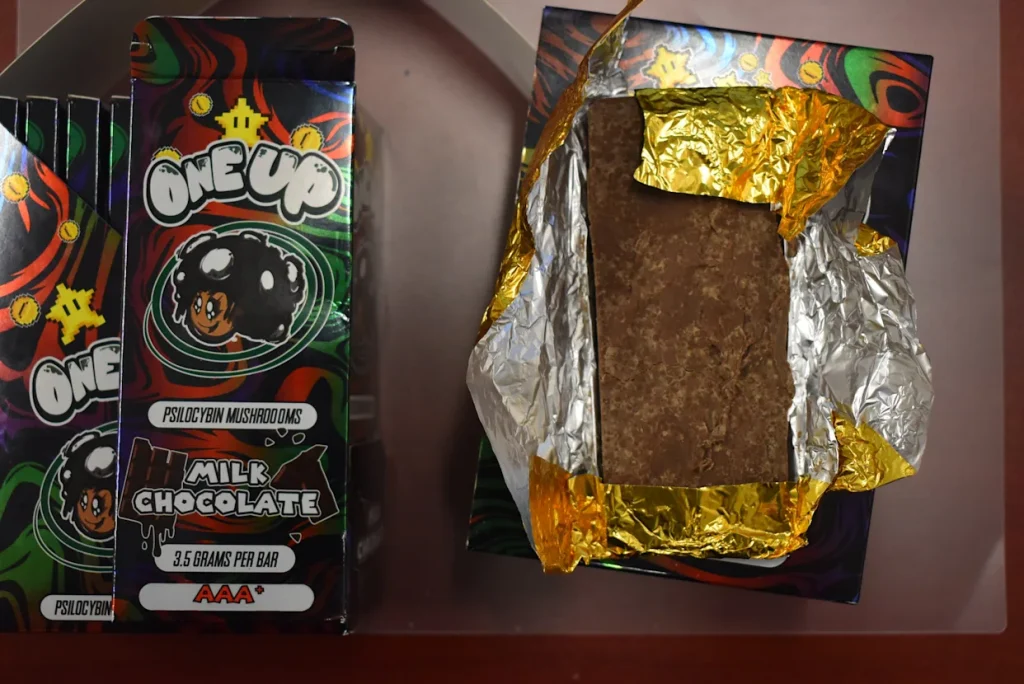
Colorful, video-game-inspired packaging
-
Chocolate bars sold as novelty edible products
-
A variety of unofficial and unregulated formulations
-
Some versions that claim to contain active ingredients
Because there is no single official manufacturer, One Up Chocolate Bars can vary dramatically in:
-
Ingredients
-
Quality
-
Potency (if infused)
-
Packaging
-
Safety standards
This makes awareness and consumer research essential.
🎨 Why One Up Chocolate Bars Became So Popular
One Up bars have gained visibility online thanks to:
-
Viral social media posts
-
Bright, nostalgic packaging designs
-
Word-of-mouth curiosity
-
The rise of alternative edible trends
Their gaming-inspired look and variety of flavors make them a popular subject for blogs, forums, and product-review communities.
🍫 Common Ingredients & Flavor Variations
Because many One Up bars are unregulated, ingredients differ by source, but typical chocolate-bar formulations may include:
-
Milk or dark chocolate
-
Sugar
-
Cocoa butter
-
Flavorings (cookies & cream, strawberry, peanut butter, etc.)
-
Emulsifiers like soy lecithin
Some unverified versions online claim to include additional infused ingredients, making label reading and safety awareness extremely important.
⚠️ Safety & Harm-Reduction Information
(For educational purposes only — no guidance for use.)
If a product is not from a licensed, regulated manufacturer, potential issues include:
-
Inaccurate ingredient labels
-
Unverified potency
-
Unknown allergens or additives
-
Packaging designed to resemble candy, posing a risk for accidental ingestion
-
No lab testing or quality control
Because of these risks, it’s important to:
-
Avoid products with unclear origins
-
Verify legality in your region
-
Keep any edible product out of reach of children or pets
-
Look for transparent ingredient information
⚖️ Legal Considerations
Laws vary by region. Many One Up Chocolate Bars that claim to contain psychoactive ingredients may be:
-
Illegal to sell
-
Illegal to ship
-
Illegal to possess
Some areas have partial decriminalization policies, but these do not equal full legality. Always check local regulations and rely only on licensed, compliant products in legal jurisdictions.
🧐 How to Evaluate Edible Products Safely
Whether chocolate bars, gummies, or novelty snacks, consumers should prioritize:
-
Clear ingredient lists
-
Third-party lab testing (COAs) when applicable
-
Reputable, licensed sources
-
Child-resistant packaging
-
Accurate dosage and compliance labels
These guidelines apply to all edible products, not just One Up bars.
🌐 Cultural Impact & Market Trend
One Up Chocolate Bars have also become part of broader conversations about:
-
The blending of pop culture and edible branding
-
The influence of social media on product appeal
-
The demand for unique or artisanal chocolate bars
-
The popularity of novelty packaging in confectionery marketing
This makes them notable from a consumer behavior and branding perspective, even beyond their ingredients.
