Uncategorized
Raw MDMA: A Deep Dive into Purity, Effects, and Critical Harm Reduction
Nov
Introduction MDMA Powder
In the realm of psychoactive substances, few names are as recognized—and as misunderstood—as MDMA. Often associated with pressed pills or “ecstasy,” the compound originates in a much purer form known as raw MDMA, typically a crystalline powder.
This blog post is designed as an educational resource. Our goal is to provide factual, science-based information about raw MDMA, with an unwavering emphasis on harm reduction and safety. Understanding what a substance is, its potential risks, and how to mitigate them is the cornerstone of making informed decisions.
What is Raw MDMA Powder?
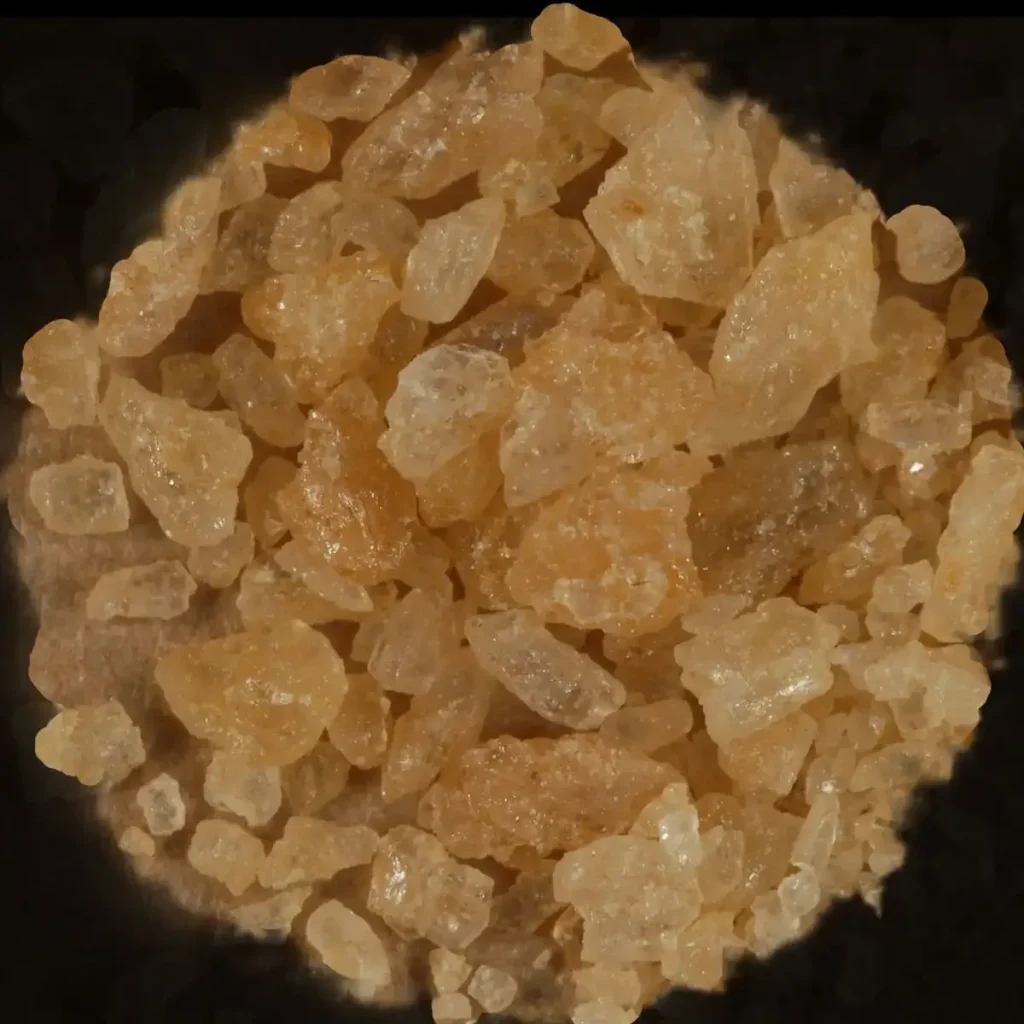
Raw MDMA, scientifically known as 3,4-methylenedioxymethamphetamine, is the base form of the drug before it is pressed into pills or mixed with other substances. It usually appears as a white to off-white crystalline powder, similar in look to coarse salt or sugar.
-
Chemical Origin: It is a synthetic compound, first developed in the early 1900s and later investigated for its therapeutic potential in psychotherapy.
-
Purity vs. Street Pills: This is the most critical distinction. A pressed “ecstasy” pill often contains a mix of MDMA and other substances like caffeine, amphetamines, or more dangerous fillers. Raw MDMA, while not guaranteed to be 100% pure, is generally closer to the unadulterated chemical.
-
The Effects of MDMA: More Than Just a “High”
MDMA is classified as both a stimulant and an entactogen—a category of drugs that promote feelings of empathy, emotional openness, and connectedness. These effects are why it was explored for therapeutic use.
Commonly Reported Effects Include:
-
Emotional: Increased empathy, feelings of well-being, emotional warmth, and reduced anxiety.
-
Physical: Enhanced tactile sensation, increased energy, mild euphoria.
-
Sensory: Sounds and music may feel more intense and enjoyable.
It is crucial to understand that these positive effects are not guaranteed and are heavily influenced by dose, setting, and individual brain chemistry.
-
The Critical Importance of Testing Your Substances
This is the single most important section of this post. You cannot identify a substance by its appearance, smell, or taste.
How to Test Raw MDMA:
-
Get a Reagent Test Kit: Purchase a kit from a reputable harm reduction organization (e.g., DanceSafe, BunkPolice). These kits contain chemical reagents that change color in the presence of specific compounds.
-
The Process: You place a tiny, rice-grain-sized sample of the powder on a testing surface and add a drop of the reagent.
-
Interpret the Results: Compare the color change to the provided chart. For example, the Marquis reagent should turn a dark purple/black in the presence of MDMA. Using multiple reagents (like Simon’s, Mecke, or Froehde) provides a more accurate identification.

Great know ledge